


Shockingly, Death Is Offered as a Solution! Euthanasia

Apr 6
3 min read
Updated: Apr 29
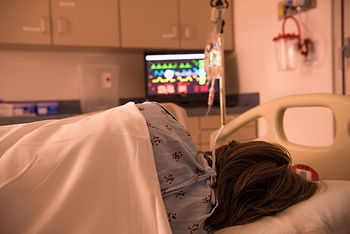
There is a growing shift in how suffering is being addressed. What was once considered unthinkable is now often described as compassionate. Assisted euthanasia is increasingly framed as dignity, and in some places it is being offered as a solution to pain. This shift raises a serious question about how human life is being valued.
Suffering is real, and it should never be dismissed. Physical pain, chronic illness, and emotional distress can become overwhelming. But ending a life is not the same as caring for a person. True compassion does not eliminate the one who is suffering. It remains present and works to support them through it. When death is introduced as an option, especially to those who already feel vulnerable, it can reinforce the idea that their life is no longer worth the effort or care.
A real story highlights the seriousness of this issue. Miriam Lancaster, an 84 year old woman in Canada, woke up with severe back pain and went to the emergency room. According to her account, a doctor asked whether she wanted Medical Assistance in Dying before a full diagnosis had even been given. She declined. Later, it was discovered that she had a fractured sacrum, a condition that required rest and treatment. She recovered. What remained with her was not only the pain she experienced, but the fact that death had been presented as an option before her condition was properly understood. The same report noted that nearly one in twenty deaths in Canada now occur through assisted dying. She Was Offered Euthanasia.
She Said No.
This account exposes a deeper problem. When euthanasia becomes normalized, it does not remain limited to extreme or final cases. It begins to appear earlier in the process, sometimes before treatment has been fully explored and before hope has had a chance to take root. The distinction between irreversible suffering and temporary hopelessness becomes easier to overlook, even though that distinction is critical.
This is one of the central dangers of euthanasia. It shifts the response to suffering away from care and toward elimination. For those who are elderly, disabled, chronically ill, or struggling mentally, this can carry an unspoken message that their lives are less valuable. A person who already feels like a burden may begin to see death not only as an option, but as an expectation.
Suicide is driven by a similar distortion. It often arises not from a true desire for life to end, but from a desire to escape pain. In moments of deep despair, the future can appear closed off. Yet many who survive suicide attempts later describe a change in perspective. What once felt permanent was not permanent. Pain shifted, circumstances changed, and meaning returned in ways that could not be seen at the lowest point. Ending a life removes any possibility of that change.
From a Christian perspective, this issue goes beyond policy or personal choice. Life is understood as something given by God, carrying value regardless of circumstances. Scripture says, “The Spirit of God has made me, and the breath of the Almighty gives me life.”
It also says, “The Lord is close to the brokenhearted and saves those who are crushed in spirit.” Job 33:4 and Psalm 34:18 speak to both the origin of life and God’s presence in suffering.

These truths do not ignore pain, but they refuse to treat death as the answer to it.
The consistent pattern in Scripture is not the removal of the suffering person, but the presence of God within suffering. Care, endurance, and compassion are the response, not abandonment. The life of Jesus reflects this clearly. Those who were broken, sick, or struggling were not discarded. They were met with restoration, healing, and care.
The story of Miriam Lancaster underscores how easily a society can begin offering death where it should be offering treatment and hope. A condition that was treatable was nearly met with a permanent solution. That reality should not be overlooked.
Euthanasia and suicide are wrong because they treat death as a solution to problems that call for care, patience, and support. They end the possibility of healing, reconciliation, and renewed purpose. A society that values human life must resist the idea that suffering makes a life expendable and must instead respond with deeper compassion and commitment to care.


